Am writing

New Year, new me, new resolutions. Well, the resolutions are the same from the previous year and are the same from the year before that and so on, so on.

Goal: finish this damn novel. Whose current progress sits at 35,000 on a redraft with another 35,000 to be drafted. Or probably, more appropriately, to be beaten to a pulp and see what pieces I can salvage and make into something new.

Anyway, my one *new* resolution is to write in this blog every week and capture my success or fails and any stray thoughts I might the on the whole matter of writing.

Wish me luck!
Am Writing

Welp, that went swimmingly…

It’s been a month since I said I’d try be more regular with these posts but obviously that didn’t go well.

Updates: up to 68,000 words. That’s 1,000 words in a month. Must do better.

Re-Reading Grant Morrison’s Batman run at the moment. I also picked up two books from the local library on history of Dublin City. Particularly, one on the Viking Era and another the development of the city from 1910-1940.

Am writing

I’ve had this web page for nearly ten years now. Haven’t posted much but going to make a start at being more regular going forward. So these will mostly be small bursts of updates, mainly once a week. Probably on the weekend.

So, current word count of my latest book is 67,000 words. Of this I’ve redrafted 25,000. Which means I’ve a long way to go yet. Yay… But my goal for the rest of 2024 is to finish redrafting and get ready to start another book sometime next year.

I’ll probably include things that are on my mind or things that are influencing the work as I go.

This week I’ve been listening to ‘The Foggy Dew’ by Daoirí Farrell for RTE on repeat. I’m also listening to Chris Gosden’s ‘History of Magic’ on audiobook. Fascinating discussion on the interlocking of Magic, Science and Religion.

Oh, finally I’ve found Bluiríní Béaloidis amazing to listen to. Currently listening to Stones of Strength in Irish Tradition.

Christ Rebooted While the Irish Dream of Electric Sleep: Role of Technology in the Formation of the Contemporary Irish Dystopia Hero. Part 2

only-ever-yours

Continued from Part 1

Louise O’Neill’s Only Ever Yours strives for a very different style of pariah in the figure of freida, an Eve on the verge of leaving the school which has groomed her since birth to be either a companion wife, a concubine or a chastity, women who live alone and instil the order of the totalitarian society. The narrative circles around freida in a first person perspective as she navigates her final year, but what consumes most of the text is the interrogations or compatibility seminars with the young males of the Euro-Zone. Continue reading “Christ Rebooted While the Irish Dream of Electric Sleep: Role of Technology in the Formation of the Contemporary Irish Dystopia Hero. Part 2”

Christ Rebooted While the Irish Dream of Electric Sleep: Role of Technology in the Formation of the Contemporary Irish Dystopia Hero. Part 1


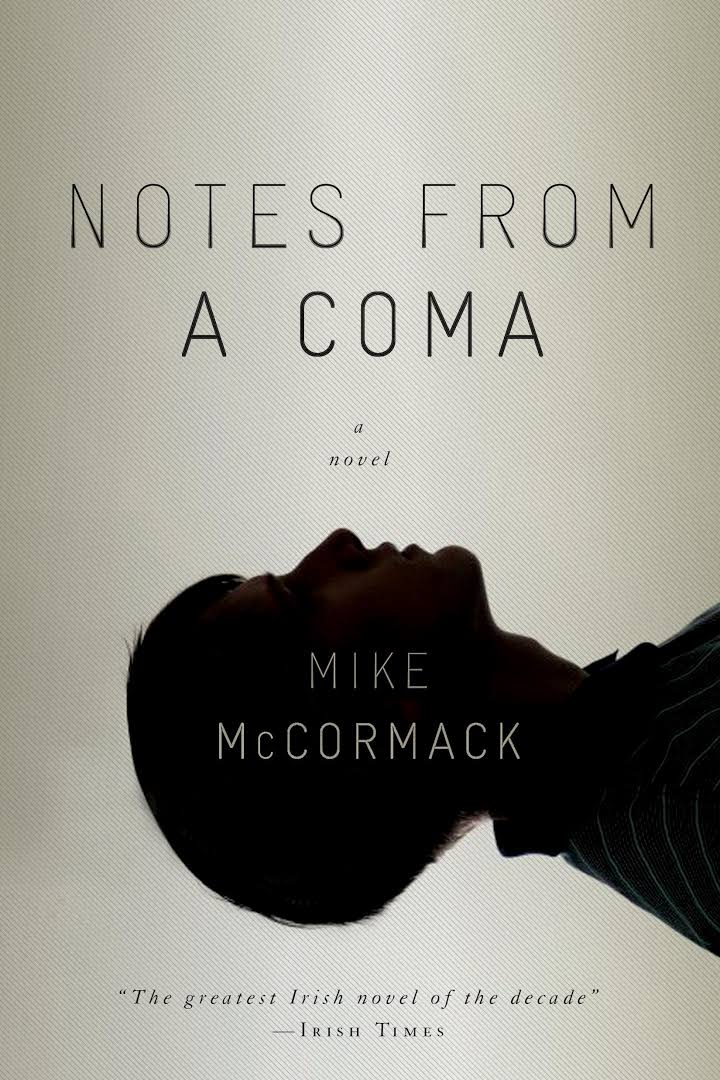
notes-from-a-coma

It’s “prevent the future”, that’s the way I put it. Not predict it, prevent it. (Bradbury)

While it may seem unorthodox, the raison d’etre for dystopia fiction is to deliver salvation. These worlds of compounded social failure are built to express one primary intention: instigating redemption. Continue reading “Christ Rebooted While the Irish Dream of Electric Sleep: Role of Technology in the Formation of the Contemporary Irish Dystopia Hero. Part 1”

Ireland in the Parallax and Paralysis of Time: How John Kelly and Kevin Barry’s future Dystopias conform and break from Flann O’Brien’s Imagined Tomorrow. Part 3

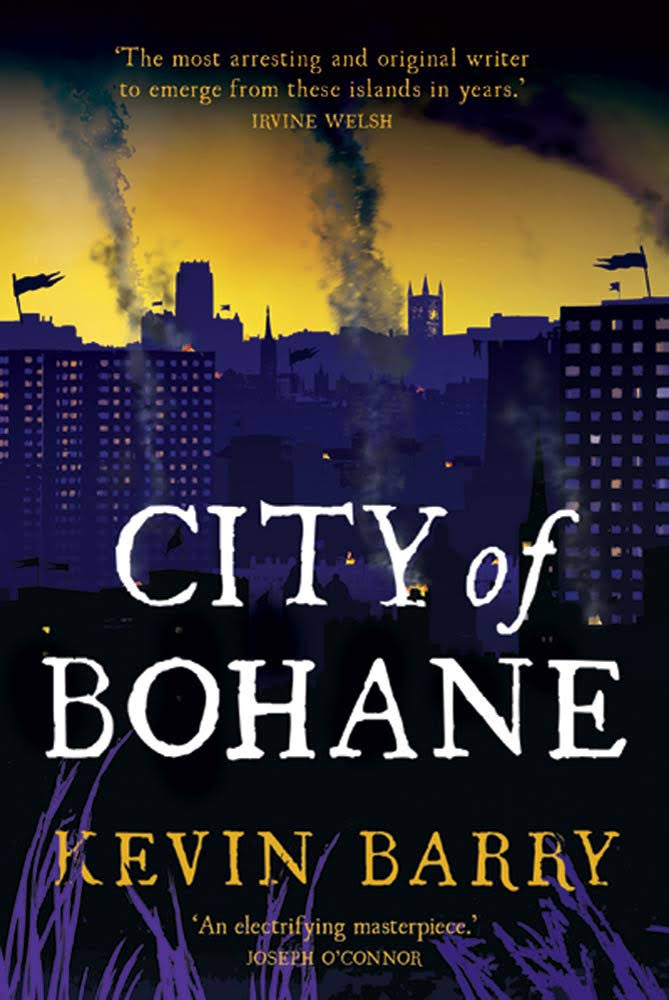
city-of-bohane

Continued from Part 2

City of Bohane choses to focus on the midpoint of the twenty first century where society, unlike Kelly’s narrative, has become isolated from the rest of the nation and the outer world. Gang culture rules the city and the presence of bureaucracy and government seems minimalistic. Continue reading “Ireland in the Parallax and Paralysis of Time: How John Kelly and Kevin Barry’s future Dystopias conform and break from Flann O’Brien’s Imagined Tomorrow. Part 3”

Ireland in the Parallax and Paralysis of Time: How John Kelly and Kevin Barry’s future Dystopias conform and break from Flann O’Brien’s Imagined Tomorrow. Part 2

from-out-of-the-city

Continued from Part 1

O’Brien’s future plays into the histrionics of its age, particularly the violence of large scale combat with its massacre, but by the time of John Kelly’s From Out of the City histrionics are of assassinations and terrorism. The texts narrative studies the build-up and fall out from the supposed assassination of the President of the United States on Irish shores. Our narrator, Monk retells the events of one man that have occurred during this time frame, Anton Schroeder. In focusing on this singular individual in the larger narrative events, Kelly is focusing the dystopia away from O’Brien’s individual in a national level dystopia and onto the individual in a globalised dystopia. Continue reading “Ireland in the Parallax and Paralysis of Time: How John Kelly and Kevin Barry’s future Dystopias conform and break from Flann O’Brien’s Imagined Tomorrow. Part 2”

Ireland in the Parallax and Paralysis of Time: How John Kelly and Kevin Barry’s future Dystopias conform and break from Flann O’Brien’s Imagined Tomorrow. Part 1


the-short-fiction-of-flann-obrien

There is a dichotomy that exists between Flann O’Brien’s works on dystopian literature particularly his short story “Revenge on the English in the year 2032!” and authors John Kelly and Kevin Barry’s respective novels From Out of the City and City of Bohane. Continue reading “Ireland in the Parallax and Paralysis of Time: How John Kelly and Kevin Barry’s future Dystopias conform and break from Flann O’Brien’s Imagined Tomorrow. Part 1”

The Uncertainty of Genre: Problems of Classifying Irish Speculative Dystopias within the National Narrative Part 3

Continued from Part 2

Flann O’Brien’s short story “Revenge on the English in the Year 2032!” written originally in Gaelic in nineteen thirty two, is a classic example of the post apocalypse dystopia. Violence is central to the actions of the text, we hear mention of a great war and the language barrier is used to incite revenge. There are no utopian positives, only Science Fiction dystopian negatives… Continue reading “The Uncertainty of Genre: Problems of Classifying Irish Speculative Dystopias within the National Narrative Part 3”